A Final Farewell

By Elizabeth Malchoff, President of the New York State Berry Growers Association


Paul Baker, the New York State Berry Growers Association executive secretary for more than a decade, passed away May 26, 2021, as a result of injuries sustained during an automobile accident. Paul was a friend and fierce champion of agriculture in New York State and the country. He was exceptional at juggling priorities as well as job requirements. Paul also served as executive director of the New York State Horticultural Society and Ag Affiliates.

Paul was instrumental in securing meetings with critical state legislators that assisted in securing funding and policy changes imperative to the agricultural community. He was very well spoken and could articulate the message in such a way that he was able to bring relevance on any topic to any audience. This gift made him an invaluable asset as a representative of the agricultural community. Paul enjoyed playing the devil’s advocate and encouraged us to grow our understanding of the opposition’s views, to be better prepared to face such challenges.    

During the time of inception of the Farmworker Fair Labor Practices Act, Paul recommended and facilitated meetings with legislators that were in favor of reducing the overtime threshold, and insisted that we, as industry representatives, be allowed to have a seat at the table when discussing the changes to the labor laws affecting farmers. I believe, based on Paul’s recommendation and the combined persistence of our conversations with legislators across the board, that the wage labor review board was adopted. This board is critical because it allows growers to have a representative present at future discussions. Without Paul’s ideas and recommendation, this review board might not have been part of the policy change.  

Paul was an intrical part of the Becker Forum. He hosted, led discussions, and secured speakers for grower awareness. A few years ago, Paul was asked to help develop this event as a way for growers to stay updated and informed of legislative policy changes, and discuss the more difficult bureaucratic regulations. Paul knew growers struggled in this area, and it was his attempt to support the grower in some of the more challenging aspects of commercial farming. Through his contacts, he brought in important speakers that could answer the growers’ questions and hear their concerns directly, ranging from legislators to Ag& Market reps. He even planned grower-based panels to facilitate raw and genuine grower discussions and education. Many growers that I know made it a priority to attend this event, because it offered so much value and education that the growers otherwise would struggle to find. Thanks to Paul’s knowledge of agriculture and his constant monitoring of our legislative environment, both state and federal, he was able to create the most effective and relevant grower-based meeting available.

Paul had his finger on the pulse with state and federal policy. He worked tirelessly at scouring the political landscape, keeping us updated on various state and federal policy discussions and potential changes. He had an uncanny ability to connect with people and understand the words not spoken, giving him invaluable insight into where various parties stood on the issues. Without his guidance, these organizations would not have been as effective in securing funds for research or influencing policy changes as they have been. A great portion of the success of the NYSBGA, the NYS Horticultural Society, and Agricultural Affiliates is due to Paul and his relentless efforts as a steward of the agricultural industry of New York State as a whole.

As a person, Paul was one of these people that was just easy to talk to. He was always calm and collected, but never afraid to tell it like it is. He was always supportive and encouraging, even if the encouragement was not what you wanted to hear. He was never afraid of a difficult conversation and flourished in a debate. It was like he knew what the opposition was thinking and countered before they could attack. He was always professional and respectful, so difficult conversations were less uncomfortable and more productive. He would also check us, when we started getting into too much “grower talk,” and would constantly remind us that we needed to discuss topics on the level of our audience to be more effective. He would often give subtle tips and feedback after a legislative meeting, on what we could improve or say to be more effective in the next meeting. He genuinely cared, and full-heartedly fought for, the agriculture community. He was an invaluable asset whose knowledge and presence are irreplaceable. The agricultural community has lost a huge champion whose void will be felt for years to come.
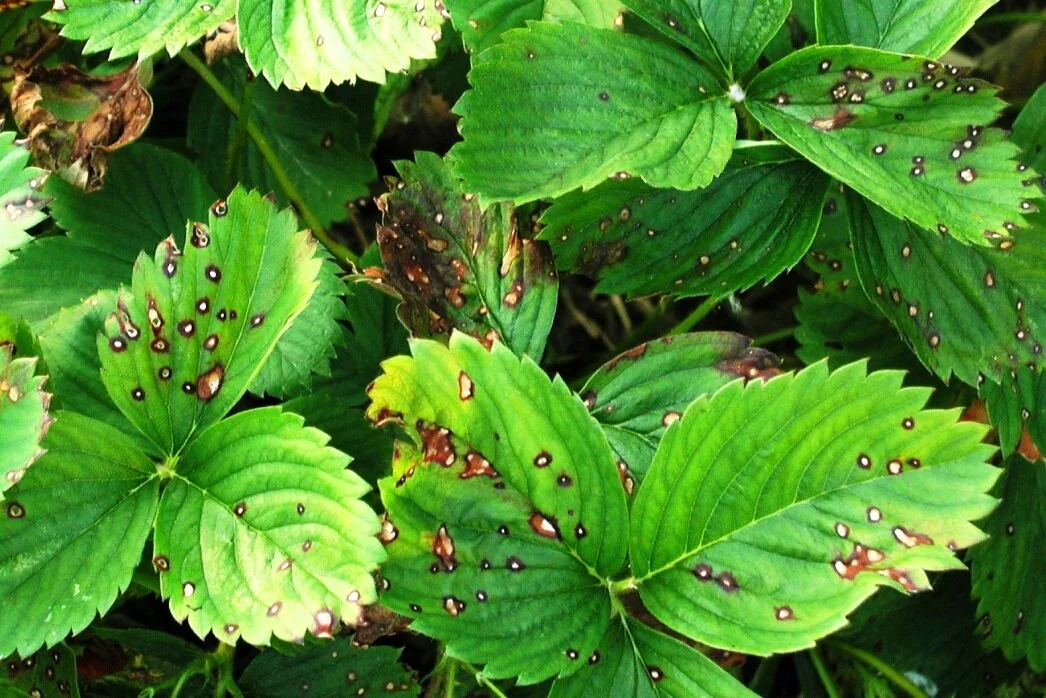
Berry Disease Snapshot: Mycosphaerella Leaf Spot of Strawberry

Mycosphaerella Leaf Spot of Strawberry

By David Strickland and Kerik Cox

Cornell AgriTech

Disease Snapshot: Mycosphaerella Leaf Spot of Strawberry (Bird’s Eye Spot, White Spot)

Causal Pathogen: Mycosphaerella fragariae

When to watch for it: Year round

First line of defense: Plant disease-free nursery stock

Summary:

Infections can occur on fruit (black seed), petioles, stolons, and leaves. Foliar lesions first appear as irregular purple spots on both the upper and lower surfaces of the leaf. Lesions develop a brown to white center as they mature, with a rusty brown border surrounding the necrotic area of the lesion. Severe infection on a susceptible cultivar will kill the leaf as lesions coalesce over the entire surface. Symptom expression varies by cultivar, temperature, and strain of M. fragariae. M. fragariae can overwinter as lesions on living leaves under snow cover, as conidia from overwintering dense masses of mycelia (sclerotia), and as sexually recombinant ascospores. Conidia from sclerotia are rain-dispersed from dead leaves in the field in the early spring, and ascospores are disseminated by wind. Virtually all parts of the plant are susceptible regardless of age, but lesions are most severe on middle-aged leaves. Severely infected plants are less likely to survive the winter, and those that do will have a reduced number of flowers in the spring.

Resistance reports have varied by state, and resistant cultivars may or may not be an effective means of disease control. Removing dead plant matter before winter will reduce inoculum carry over between seasons.  Fungicide applications are recommended for plantings with susceptible varieties in the early season to eliminate overwintering inoculum.

Mycosphaerella Leaf Spot of Strawberry_closeup
Pink and spots on strawberry leaves_Mycosphaerella Leaf Spot of Strawberry

Berry Disease Snapshot: Blueberry Powdery Mildew

closeup of blueberry powdery mildew disease_New York State Berry Growers Association

By David Strickland and Kerik Cox
Cornell AgriTech


Disease Snapshot: Blueberry Powdery Mildew

Causal pathogen: Microsphaera vaccinii

When to watch for it: July through season’s end

First line of defense: Use of resistant cultivars

Summary:

The signs of M. vaccinii infection do not typically appear until midsummer, when white fungal growth appears on the upper leaf surface. Leaf reddening may occur as chlorotic spots with reddish borders, and the leaf surface may become puckered. This reddening may be mistaken for symptoms of red ringspot virus (RRSV) infection but can be distinguished by the presence of water-soaked areas on the leaf’s lower surface opposite the chlorotic areas. If left uncontrolled, blueberry powdery mildew may lead to premature defoliation and a long-term reduction in bush productivity.

The planting of resistant cultivars is the best option for management of powdery mildew. Fungicide applications should begin just after petal fall, which targets primary inoculum. If these infections are managed early, an epidemic can be avoided. Suggested products are oils (e.g. stylet oils) or sterol biosynthesis inhibiting fungicides such as propiconazole (on 14-day intervals). Remember that fungicide products containing sulfur should not be applied within a 2-week period of an oil product application due to the potential for phytotoxic effects. Postharvest burning of infected leaf matter has not been shown to decrease the incidence of disease in subsequent years.

Have You Renovated Your Strawberries?

How to renovate strawberries NY State Berry Growers Association

The early strawberry season has ended, and although we might have been a little disappointed with the size—Cornell researchers theorize that this was because of frost and a very dry spring—most of our member farms were satisfied with their crop yields, if not the profusion of SWD that came on strong after a brief delay.

If you grow June-bearing strawberries, crop renovation is an essential, yet often overlooked, task—especially with the population of SWD still. Remember to remove leftover fruit, which can be a breeding ground for the pest, cut back on mowing if the hot temperatures persist, and cover the crowns with ½ inch of soil.

For a step-by-step guide to renovating strawberries, visit the Cornell blog.


Berry Disease Snapshot: Rhizopus Rot of Strawberry (Leak)

Soft, collapsed strawberries that begin to mold can be a sign of rhizopus rot.

Soft, collapsed strawberries that begin to mold can be a sign of rhizopus rot.

By David Strickland and Kerik Cox
Cornell AgriTech

Berry Disease Snapshot: Rhizopus Rot of Strawberry (Leak)

Causal pathogen: Rhizopus stolonifer, R. sexualis

When to watch for it: During the fruit-ripening period

First line of defense: At harvest, rapidly cool harvested fruit below 45°F

Summary:

Primarily a postharvest rot, Rhizopus rot may also occur in the field on ripe fruit. Modern storage and shipping have reduced this disease’s incidence worldwide, but it may readily appear if fruit are not cared for properly. Fruits infected with Rhizopus spp. appear slightly discolored, gradually turning light brown. The fruits rapidly soften and collapse, allowing their juices to leak out. Under humid conditions, white fluffy mycelium with large black sporangia appear. Rhizopus spp. can successfully overwinter on leftover plant material and in soil.

Protective broad-spectrum fungicides can be used to control Rhizopus rot in the field. Rhizopus spp. can only infect wounded fruit, so a vigilant insecticide program to manage fruit-feeding insects is encouraged. At harvest, Rhizopus rot is best controlled by rapidly cooling berries and maintaining storage temperatures below 45°F.

How to Improve U-Pick Berry Operations Based on Customer Satisfaction

Berry Patch stephentown ny pick your own strawberries.jpg

By Zoey Yang, MS candidate in the Dyson School of Applied Economics and Management
Cornell University

During the summer of 2019, Cornell researchers conducted a study sponsored by the NYS Berry Growers Association. The study examined customer satisfaction at u-pick berry operations across farms in Upstate New York. This study aims to give some ways to not only improve sales performance for berry farms but also bring better experiences for customers.

U-pick is a direct marketing channel where customers can harvest fruit and vegetables by themselves, often paying a lower price and receiving fresher products. Crops, such as berries, that need intensive labor are well-suited for u-pick operations. Even though customer satisfaction has been studied in several fields, there are a very few studies focusing on the berry industry especially in u-pick operations. The goal of this study was to provide farmers with more marketing insights using customer satisfaction tools.

Participating Farms

Among the six farms participating in the study, two of them were strawberry farms; one, blueberry-only; and three, both strawberry and blueberry. Customer satisfaction surveys were given to u-pick customers among six berry farms from beginning of June to the end of August, as needed given the different harvesting times for strawberries and blueberries. Customers were asked to rate their overall satisfaction and individual satisfaction attributes, using a scale of 1 to 5, with 1 being poor and 5 being excellent. Questions about amount spending, purchase intension, demography, and other variables were also included in survey.

The number of usable surveys was 312. The results are shown in Table 1. Overall customer satisfaction for all farms was very high (4.71), with 225 customers rating the overall satisfaction 5 (excellent), 82 rating it 4 (very good). Only 5 surveys rated it below 4.  Twenty-two percent of customers were first-time customers, and 83.9% and 98.7% of customers responded, yes, they would visit this farm again this year and next year respectively. One hundred percent would recommend the farm to their friends.  Average spending was $26.58.

Table+1+%281%29.jpg

Analyzing 14 different attributes into meaningful and usable information can be difficult. Therefore, the individual customer satisfaction attributes were analyzed in a way to group them into 3 general satisfaction factors that are described as experience, retailing and convenience. Table 2 shows the individual attributes into each of the factors and average score of each factor.

Researchers then looked at the relationship between these grouped satisfaction factors and the amount that customers spent at the farms. Differences between the farms, berry type, weather and demographic variables were controlled for.

Table+2.jpg

Study Results

From the results, grouped factors experience and convenience are significantly important. One rating point higher in experience and convenience is associated with $3.14 and $ 5.17 more on the customers’ spending respectively. Even though attributes of retailing are significant in customer satisfaction studies such as winery, they are not in this study. One potential reason is because there are not many variations of retailing attributes in the data set. Another one may be related to the nature of u-pick operation. In New York wineries, wine tasting rooms are the major source of wine sales and highly dependent on the services of staffs. However, u-pick operations do not need many staff services. Therefore, retailing attributes may not impact sales of u-pick on berry farms. 

After analyzing each attribute separately, we also find among experience attributes, “Taste of u-pick berries” and “Information upon entry” are significant and positively affect amount spent. One score higher in “Taste of u-pick berries” transfers to $2.68 higher in spending. As for “Information upon entry, the effect is $2.57 higher with respect to amount spent. “Ease of parking” and “Farm location” are significant attributes to convenience and one score higher is associated with $3.67 and $2.81 higher in amount spending respectively. In addition, the control variables, education and male are statistically important to amount spent. Customers visiting in the strawberry season spent $8.87 more than those visiting in blueberry season. Graph 1 shows these results.

Fig+1.jpg

Study Recommendations

Given evidence from the analyses, this study suggests that u-pick berry operations should pay attention to the attributes that effect experience and convenience. For example, farm customers usually used Google searches or recommendations from their family and friends when selecting the farm.  Using social networks such as YouTube and Instagram to advertise and provide information will link this information with the significant attributes “Information upon entry” and “Farm location” together. In addition, signs such as directions to the farms should be clear to customers upon arrival. When customers arrive at the U-pick operation, information related to parking, amenities, picking directions and berries should be explained by signs or farm staff. Showing a story or history about the farm could be a bonus to generate a more satisfied customer experience. Meanwhile, maintaining good quality berries is always important. Ensuring a high quality of berry could not only affect the berry price but also the generation of word of mouth advertising. Implication suggestions for berry farms can be adjusted to suit for all types of u-pick operations.

“Smart Marketing” is a marketing newsletter for extension publication in local newsletters and for placement in local media. It reviews elements critical to successful marketing in the food and agricultural industry.  Please cite or acknowledge when using this material.  Past articles are available at:  Smart Marketing.


Guidelines for PYO Farms during the COVID-19 Pandemic

Berry Patch Stephentown NY pick your own strawberries.jpg

From Cornell University:

U-Pick is a critical direct marketing approach for many of our farms and provides customers with a unique connection to fresh produce grown close to home. In light of what we understand about the spread of COVID-19, new management practices will be needed to protect your farm team and your customers. This document provides recommended practices and communication strategies for U-Pick operations for the 2020 season.

These actions will help protect you and your team as well as reassure customers that you are taking steps to protect them and the produce you grow.

Read the article here. Then download a printable version of Cornell’s “Best Management Practices for U-Pick Farms during the COVID-19 Pandemic” that you can share with your staff.

Looking for information on protecting staff and customers in your farm store? Read these articles from NYS Ag and Markets.

  1. Guidance for Cleaning Retail Food Stores (issued in conjunction with the New York State Department of Health)

  2. Guidance for Home Delivery 

  3. Guidance for Protecting Vulnerable Populations 

COVID-19 Assistance for Farms, from the NYS Department of Agriculture

New-york-state-berry-growers-association-covid-19-assistance-farms.jpg

In a new press release, the New York State Department of Agriculture and Markets made a variety of announcements, including on emergency relief funding, easing restrictions on ag products in stores, keeping farms and farm stores in business, and more. Here are the details.

State Agriculture Commissioner Richard A. Ball today outlined several actions the Department of Agriculture and Markets has taken to assist the agricultural industry during the COVID-19 pandemic. Many sectors of the industry, including New York’s dairy farmers, have faced extreme economic difficulties with the loss of wholesale markets, such as schools and restaurants, and uncertain consumer demand. The Commissioner, in a joint letter with the Pennsylvania Department of Agriculture, last week urged the United States Department of Agriculture to support New York’s farmers with immediate emergency relief funding. Read the letter here.


Commissioner Ball said, “The COVID-19 pandemic has affected our agricultural community, as it has all of us, in so many ways. The challenges and disruptions our farmers are facing are like nothing we have seen before and our farmers are experiencing extreme economic difficulties. The Department is working, with all its partners, to seek relief for New York producers, and find new avenues for New York products while providing guidance and resources that allow many of our vital agricultural businesses to continue their operations.”


The Department has convened members of the Milk Marketing Advisory Council and continues discussions with food banks across the state, in coordination with the NYS Department of Health’s Hunger Prevention and Nutrition Assistance Program, to identify ways to alleviate the surplus challenges that are impacting New York’s dairy, specialty crop farmers, and seafood producers. The Department is also working closely with the New York Farm Bureau to address industry concerns and provide critical updates.


In addition, the Department is working to address limits being placed on the sale of dairy and other agricultural products in grocery stores, in coordination with the Food Industry Alliance, the Retail Council of New York State, the Business Council of New York State, New York Farm Bureau, and the state’s retail grocery stores.


Guidance to Maintain Businesses

To keep the agricultural community informed on the most recent Executive Orders as they relate to COVID-19, the Department has issued guidance documents for its farmers’ markets, retail food and food manufacturing firms, fisheries, and animal care operations to help them maintain business safely.


It has also granted restaurants approval to sell grocery items, allowing additional revenue for restaurants and an additional market outlet for farmers and food businesses. In addition, fisheries have been permitted to temporarily sell and/or process seafood directly to the end consumer. A list of guidance provided to the industry is below:


All guidance documents and additional details are located on the Department’s website at agriculture.ny.gov/coronavirus, which is updated on a regular basis and as new information becomes available. The Department has also compiled and published a general resource guide for the agricultural community, which includes information on important actions and resources to help New York’s agricultural businesses, and information on other areas, such as food safety, companion animals, mental health, and more. The resource guide is available at agriculture.ny.gov/covid-19-resource-guide.


In addition, New York State has set up a COVID-19 hotline at 1-888-364-3065 and a space to submit questions online.

Berry Disease Snapshot: Black Root Rot of Strawberry

new-york-state-berry-growers-association-black-root-rot-of strawberry

By David Strickland, Kerik Cox
Cornell AgriTech, Geneva, NY

Black Root Rot of Strawberry

Causal agent: many soil-borne fungal species, abiotic factors

When to watch for it: During the growing season

First line of defense: Good soil health maintenance practices

Summary:
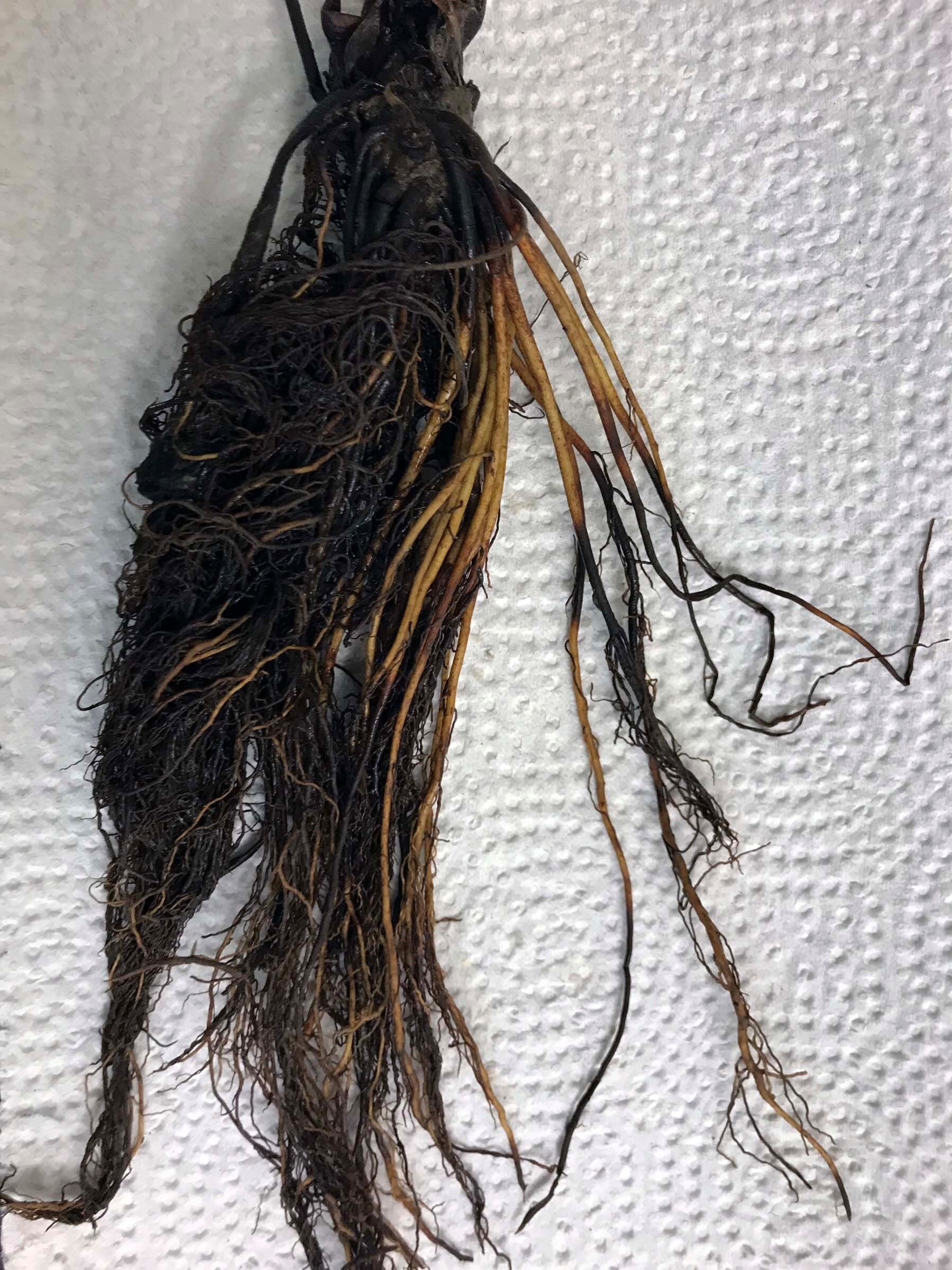
A disease complex, black root rot does not have one specific cause. It may be caused by injurious environmental conditions such as freezing or waterlogged soils, root-lesion nematodes, and/or various soil-borne fungal pathogens alone or in combination. The disease has been observed on plants grown in soils with a high clay content. The most prevalent symptoms of black root rot are death of feeder rootlets, deterioration of structural roots, and declining plant vigor.

Maintenance of soil health is the best control against black root rot. Soil compaction reduces soil aeration, promoting conditions conducive to disease development. Poor irrigation practices and waterlogged soil does the same. Chemical fumigation of the soil is not recommended as the causal agent may not be fungal.

Western New York Berry Update

Western-NY-Berry-Update-Cornell-berry-growing.jpg

Western New York Berry Update

April 3, 2020

By Esther Kibbe

Western New York Berry Specialist, Cornell Cooperative Extension


April 3, 2020

Strawberries

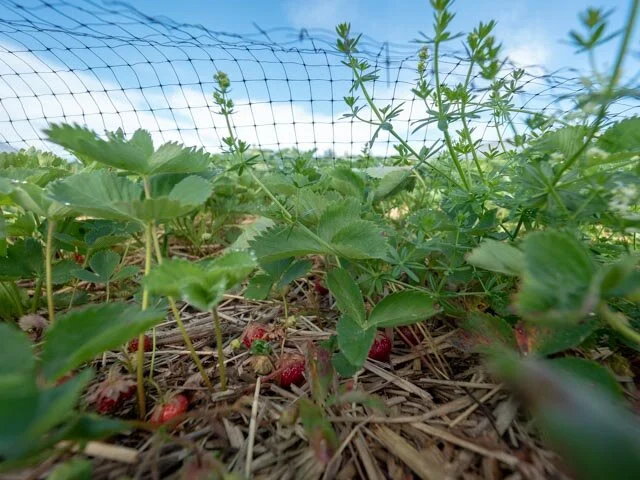
New leaves are starting to push under the straw. With no extended cold in the forecast, research has shown that it is better to remove straw early, if leaves are emerging, rather than basing it on the calendar. Consider getting out there to rake it off soon.

This is also the time to apply preemergent herbicides against annual weeds. Chateau or Devrinol can be used. Aim, Axxe and Gramoxone are options as more weeds emerge, or against winter annuals, but should be applied with a shielded sprayer.


Strawberry leaves emerging from the crown.

Strawberry leaves emerging from the crown.

Blueberries

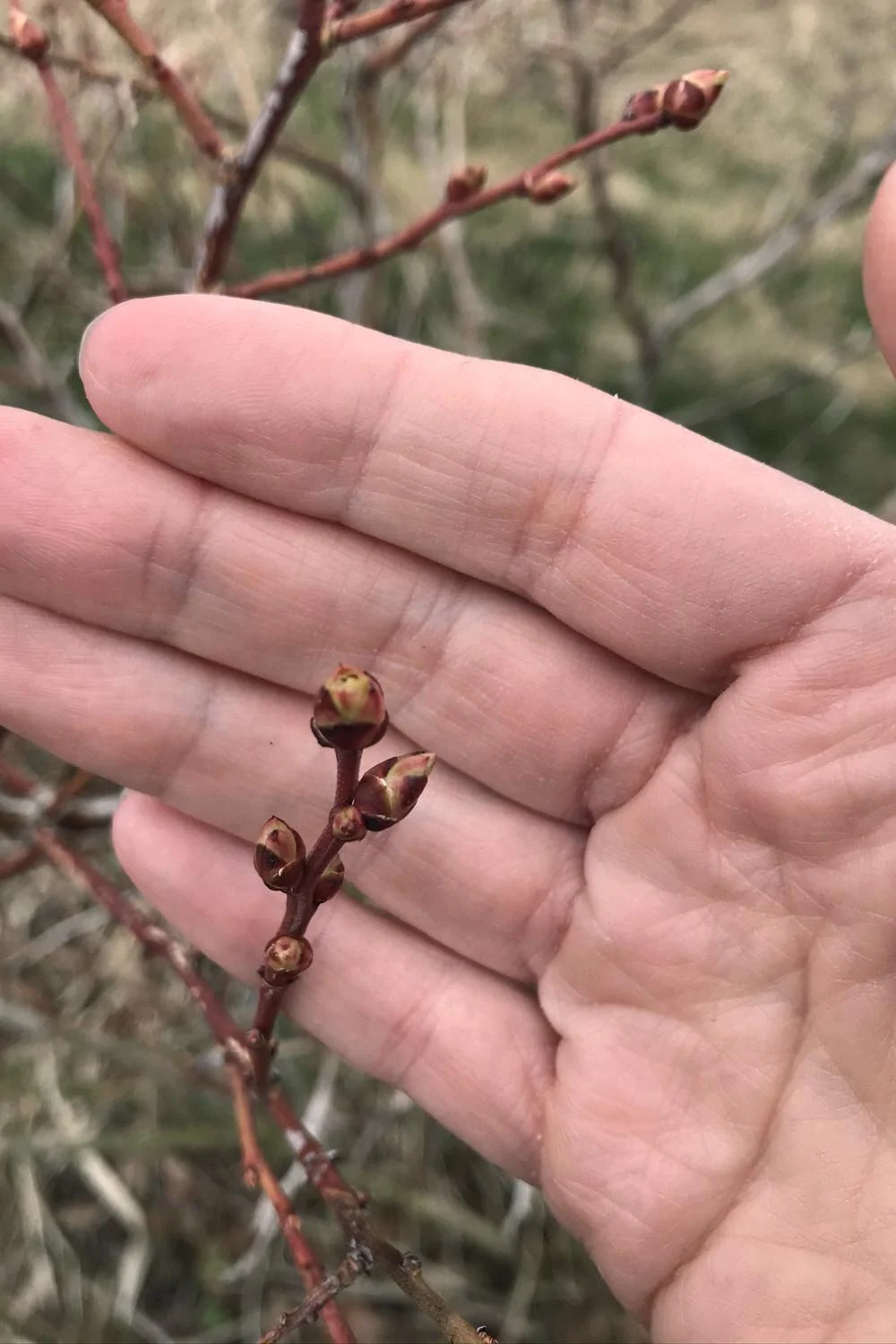
Depending on microclimate, buds are just swelling to early green-tip. If you haven’t already, this is the time to go after cane diseases (Phomopsis, Botrytis, Fusicoccum) with a delayed dormant spray of lime sulfur or copper. Several fungicides are also labeled for these, but I would save them unless you are dealing with a severe, recurring level of infection.

As you finish pruning, be sure to cut out any diseased canes and gall wasp galls. Start planning your spring herbicide applications. Blueberries have many herbicide options—the best choice depends on what your weed issues are.

Blueberry buds are between bud-swell and early green tip.

Blueberry buds are between bud-swell and early green tip.

Raspberries

Still looking pretty dormant. Copper, dormant oil or lime sulfur sprays can be applied for cane blights. This is the time to get started on weed control: Devrinol, Surflan, Sinbar for preemergent weeds (annuals), Axxe for post-emergent broadleaves, and Poast or Fusilade for perennial grasses.

What Farms Need to Know during the Covid-19 Crisis

new-york-state-berry-growers-covid-19-farm-news

This information comes courtesy of the New York Farm Bureau. Their website is being updated daily to keep you informed about the latest COVID-19 news that may affect you, your farm family, and employees.

• Click here for the latest information from New York State on COVID-19.

• Click here to view the latest news on the virus from the CDC.


New York Farm Bureau asks Governor to keep farms and agribusinesses open during COVID-19 outbreak

NYFB president David Fisher sent a letter today to Gov. Cuomo today asking the state to keep farms and agribusinesses open and fully staffed during the Corona Virus outbreak. In the letter he wrote, “…Despite the spread of the COVID-19 virus, cows need to be milked, livestock needs to be fed, seeds need to be planted, machinery has to be repaired and regulations mandating environmental compliance will need to be met in order for food to continue to be placed on store shelves. The state’s food security and livestock health depend on obtaining an exemption from mandatory workplace staff reductions or closures for businesses across the state.” To read the full letter, click here.


Contact your lawmakers over Mexico’s suspension of H-2A Visa Processing

Last night, March 16, 2020, it was announced that visa services would be suspended at Mexican Consulates and Embassies in response to COVID-19. This means that routine immigrant and nonimmigrant visa services will be temporarily stopped tomorrow, March 18, 2020 until further notice, which will affect the arrival of H-2A workers. A copy of the announcement can be found here. There are also wider implications for H-2A workers originating from other countries including Jamaica, South Africa, and Guatemala. The State Department has indicated that it will waive the in-person interview requirement for returning H-2A workers at the embassy, consulates in Mexico. NYFB hopes to have further guidance regarding visa processing for all countries in the coming days.


NYFB realizes the great concern that this creates for New York farms that depend on H-2A labor, and we have been in contact with federal agencies and congressional offices to express concern regarding this issue and the need for clear guidance for farmers as well as a pathway to ensure that H-2A workers can continue to enter the U.S. Yesterday, NYFB wrote a letter to the administration asking for flexibility for the continue processing of H-2A visa and the allowance of these individuals into the U.S.


NYFB encourages members who have concerns about H-2A worker visa approvals and the arrival of H-2A workers to reach out to their congressional members, so they are aware of the seriousness of the situation. Find your lawmakers’s e-mail addresses here. In addition, USDA has set-up an e-mail account where agricultural producers can contact them about critical labor concerns at aglabor@usda.gov.


Farmers can also find updates at www.farmers.gov/manage/H2A. Information regarding specific embassy visa processing can be found at each embassy website.


As this issue continues to develop and as further guidance is issued, NYFB will send out information to members. Click here to send a letter to your Congressional member regarding the importance of continuing to process H-2A applications.


DOL Postpones Binghamton Wage Board Hearing

According to a release by the New York State Dept. of Labor, the Wage Board hearing for farm laborers scheduled for Monday, March 23, 2020, at Binghamton University in Vestal, NY is postponed until further notice. A new date will be announced as soon as the hearing is rescheduled. Hearings are still scheduled for Long Island and Batavia. Updates on those hearings will be provided at a later date. Written comments may still be submitted to wageboard@labor.ny.gov


Cornell Program Offers Tips on Farm Protection During Pandemic

The Cornell Small Farms Program has offered suggestions on how farms can take care of themselves during the pandemic. Titled “Building Resilience in a Crisis,” it also provides an option for farmers to share ideas with the program to help get each other through these uncertain times. Here are some important reminders and suggestions:


  • Take care of your farm’s most important asset: you. Wash your hands more frequently and make sure you are getting adequate sleep. We need our strength these days.

  • Don’t think social distancing means social isolation. We are being asked to practice social distancing to slow the spread of the virus, but we have many ways to keep and grow our connections with each other. Call someone. Stay connected to those around you. Ask for help. Offer help. We are in this together.

  • Reach out to farmers and community members around you that you know are having challenges. Now is the time to strengthen the fabric of our own communities by increasing our social connections. Pick up the phone and call them. It is that simple.

  • Release stress. In times of stress, it helps to take a pause and slow down. Do what works for you, such as:

    • Laugh, pray, dance, meditate, chat with friends.

    • Practice tactical breathing. Inhale, count to five, and then exhale slowly to help clear your head and steady your hands.

    • Intensify or expand your production plans, where you can. In the face of possible shifts in our global food system, eating locally will be an important strategy to respond to potential disruptions.

    • Bring extra farm products to food banks, or work with gleaning organizations. We have always had people in need in our communities, but this pandemic could make things worse for those most vulnerable. As a producer, you have the ability to help ease some of that suffering.

    • Revisit your farm’s food safety plan, especially the health and personal hygiene plan. Keep yourself and your employees in good health.

    • Make a plan for running your farm if you, your family or employees get sick. Consider the scenarios of 10, 50 or 75% of farm labor out sick for 2 weeks and try to be realistic. Involve the whole farm team in this conversation. Reach out to neighbors or other farm friends who might be able to help. Here are some questions to consider:

      • What farm operations must go on? What would be cascades or ripple effects if that activity stopped? Who would be responsible, and what happens if they are not available?

  • To read the full post, click here.


NYS Issues SLA Guidance on Alcohol and Food Service Ban

Effective Monday, March 16, 2020 at 8 p.m. all licensed on-premise establishments must cease on-premise sales of alcoholic beverages and/or food. All licensed manufacturers with on-premise privileges must cease on-premise sales of alcoholic beverages and/or food as well. However, a licensed manufacturer may continue all manufacturing operations. This is effective until April 15, 2020 but may be extended or reduced depending on the circumstances.

To aid in prevention of the spread of the Coronavirus and assist businesses impacted by the current state of emergency, the Governor has ordered the State Liquor Authority (SLA) to promulgate guidance on new off-premises privileges for licensed businesses with on-premises privileges. Any licensed business found to be operating in violation of the Governor’s order restricting on-premises sales of alcoholic beverages shall face a monetary penalty (retail maximum of $10,000/manufacturer maximum of $100,000), and/or suspension, cancellation, or revocation of its license. Click here for guidance and Q&A.


Cornell & NYSBGA In-Depth Strawberry Substrate Workshop Sets Growers Up for Success

ny-state-berry-growers-association-growing-strawberries-in-substrate-workshop-1

By Esther Kibbe
Western New York Berry Specialist, Cornell Cooperative Extension

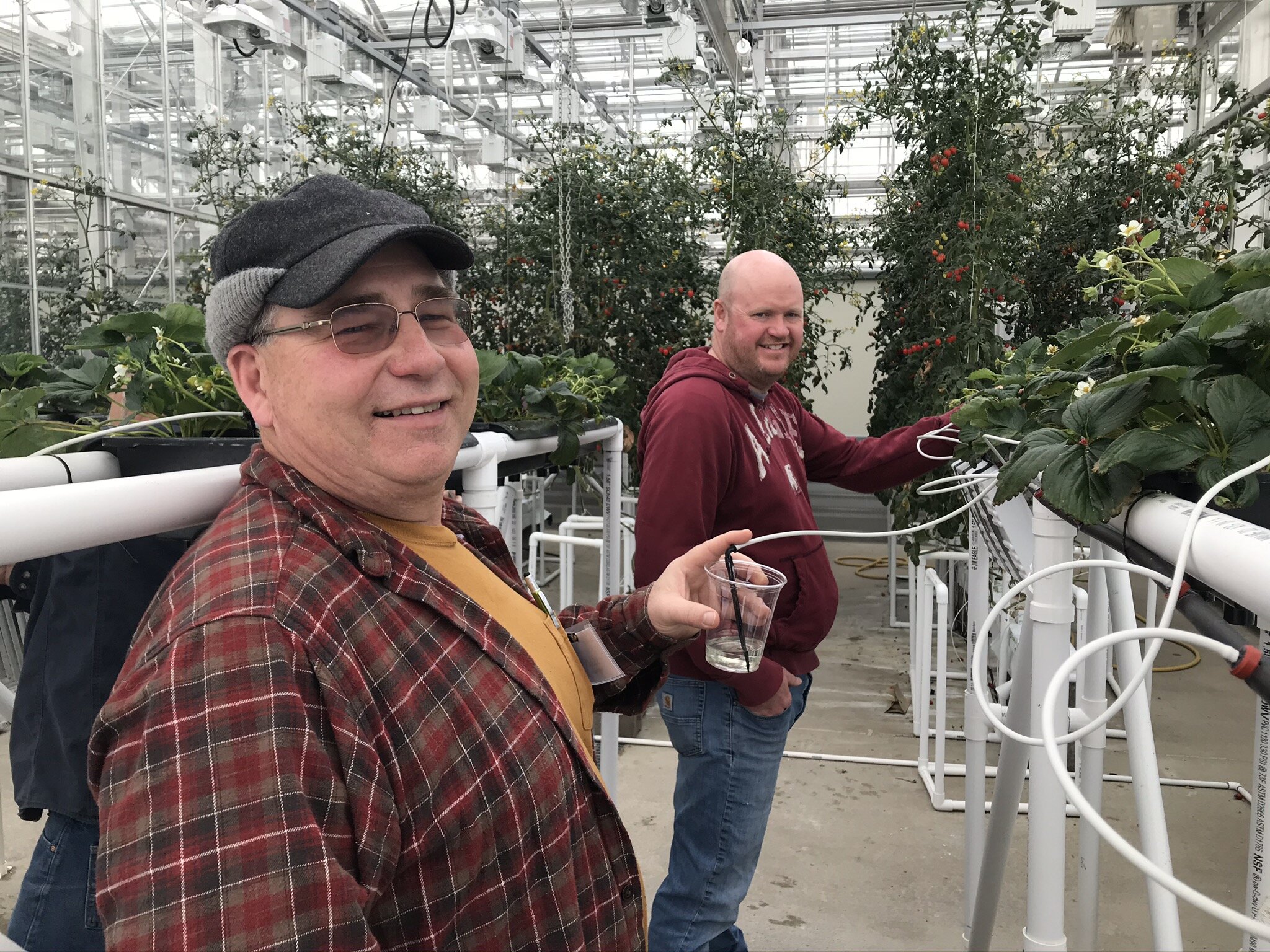
Thirty growers and extension professionals spent three days in February learning about growing strawberries in soil-less (substrate) production systems. The workshop was held in Ithaca and funded by the NYSBGA and organized by the association and Cornell extension and professors.


In-depth lectures in the mornings were followed by greenhouse tours and hands-on activities in the afternoons. The workshop was taught by Dennis Wilson of Delphy, a UK- and Netherlands-based agronomy and education company. His many years of experience working with strawberry substrate growers made him confident in his recommendations of types of containers, substrate mixes, irrigation rates, and fertility protocols.

ny-state-berry-growers-association-growing-strawberries-in-substrate-workshop-2

Dennis noted that almost all strawberry production in the UK has moved to substrate systems, but the fruit-quality improvement means that more than 90 percent of strawberries in the stores are grown in the UK, compared to 50 percent 25 years ago. While converting to substrate production isn’t for everyone, growers in Europe find that in addition to better-quality fruit, they are able to increase yields, harvest efficiency, and attract more labor, compared to soil-bases systems.

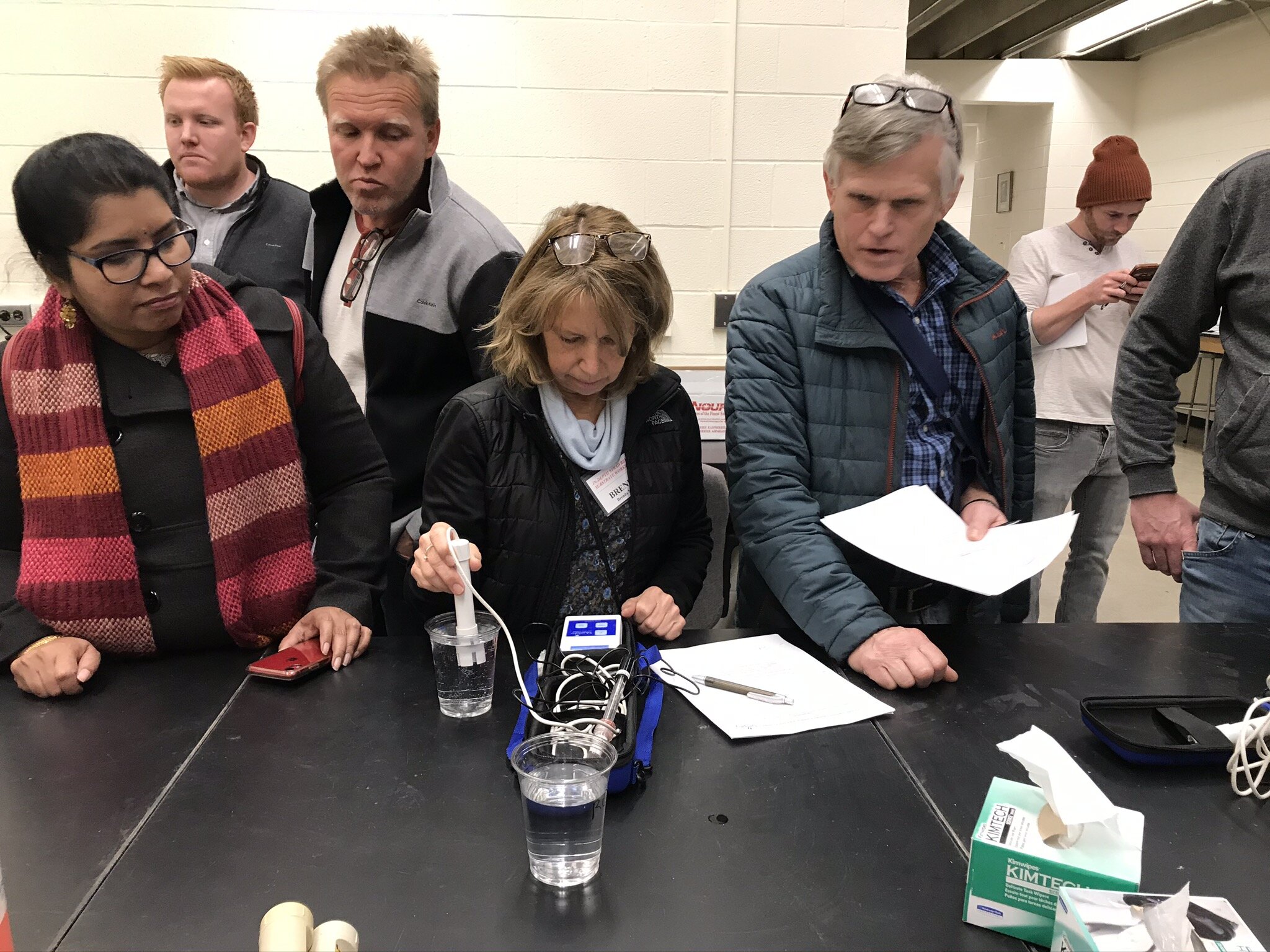
Cornell’s horticulture professor Neil Mattson and his team put together a great practical portion for the workshop, using plants and systems set up for graduate student Jonathan Allred’s research on strawberries’ light requirements. Workshop participants practiced measuring “drip” and “drain,” electrical conductivity, pH, and moisture levels in the substrate. There were samples of different types of substrate and media to touch and compare and plants and runners for planting demonstrations—and a chance for growers to try it themselves.

IMG_3387.JPEGny-state-berry-growers-association-growing-strawberries-in-substrate-workshop-3

About half of the workshop participants had no experience growing crops in substrate, and the rest had experience ranging from one year to thirty years. All reported that they found the content relevant, and most said they would continue or start growing berries in substrate in the future. One participant commented, “This program was excellent and answered many questions I have been asking for years. Really appreciate the handouts and the clear presentation style, and the time and patience spent on questions.” Participant feedback was extremely positive overall, and most are looking forward to future trainings and tours related to substrate production.

IMG_3391.JPEG

New York State Berry Industry Competitive Analysis

new-york-state-berry-growers-association-berry-industry-competitive-analysis.jpeg

This document research group of Dr. Miguel Gómez at Cornell University’s Charles H. Dyson School of Applied Economics and Management, in collaboration with the New York State Berry Growers Association, presents this bulleted analysis of the berry industries in New York State, as well as detailed figures supporting the analysis.


New Survey to Shed Light on Trade-offs Between Food Safety and Conservation Practices

New York State Berry Growers Association AVF Food Safety Survey 2020.jpg

By Daniel Weller, Patrick Baur, and Aaron Adalja

Recent studies suggest that on-farm food safety practices can have unexpected economic and ecological impacts. Despite the potential for negative consequences, limited data are available on the costs and benefits of implementing specific practices. Co-managing farms for food safety and sustainability is further complicated, because farms are linked to adjacent environments; this means management decisions can have unexpected ecological, economic, and food safety consequences.

A comprehensive understanding of the links between agricultural and adjacent environments is key to ensuring environmental health, sustainability, and food safety. A new survey, funded by the Atkinson Center at Cornell University, promises to give a clearer picture of these linkages and what this means for growers.

To meet this need, a new collaborative research project between researchers at Cornell University, the University of California, and the University of Rochester is reaching out to growers in the Eastern United States to fill out a survey on food safety. The survey asks questions about:

  • Monetary and labor costs associated with on-farm food safety

  • Agricultural water use and treatment

  • Pest management

  • Conservation practices

  • Obstacles or difficulties growers have encountered.

Filling out the survey takes about 20 minutes, and all responses are confidential. The project will not only identify grower costs associated with various farm practices, but the information generated will also be integrated, using big-data analytics, into models to quantify trade-offs between different grower aims, including food safety, conservation and profit. This model will then be used to develop guidelines for how to best co-manage produce farms for these aims.

The first 300 people to complete the survey will be eligible for a $15 e-gift cards. The survey will be open through May 31st, 2020.

For additional information on the survey, contact the project directors, Dr. Daniel Weller (Daniel_Weller@urmc.rochester.edu), Aaron Adalja (aaron.adalja@cornell.edu), or Patrick Baur (pbaur@berkeley.edu).

Cornell Needs Your Help with a New SWD Study

new-york-state-berry-growers-association-raspberries-cornell-swd-study.jpeg

Although progress has been made over the past eight years in our ability to manage spotted wing drosophila (SWD), it remains a serious economic problem for small fruit growers in New York and around the country. Cornell University researchers are in the process of applying for a large, multistate grant from the USDA that will support research and extension efforts to develop and implement more sustainable management practices. 

The grant would bring needed funding to New York to increase adoption of management practices already tested, including the use of economic models to improve decision making, and evaluate alternative management approaches for SWD, such as the release of parasitoids from SWD’s native lands and manipulation of SWD behavior using attractants and repellents. The studies are being headed up by Dr. Miguel Gomez, agricultural economist, and Dr. Greg Loeb, small fruit entomologist, both at Cornell, working closely with Cornell Cooperative Extension and the NYSBGA, as well as several collaborating New York berry growers.

Dr. Gomez and Dr. Loeb need help in demonstrating to the USDA that SWD remains a serious problem.   Please take a few minutes to fill out this very brief online survey on how spotted wing drosophila is affecting your business. Your three minutes can help us find ways to finally control this pest and halt crop losses. 

Berry Disease Snapshot: Angular Leaf Spot of Strawberry

new-york-state-berry-growers-association-angular-leaf-spot-strawberry

By David Strickland and Kerik Cox

Cornell AgriTech, Geneva, NY

Disease: Angular Leaf Spot of Strawberry

Causal pathogen: Xanthomonas fragariae

When to watch for it: Year round

First line of defense: Purchase disease-free stock

Summary:

Angular leaf spot of strawberry has been introduced to major production areas by the importing of infected plant material. The bacterial pathogen, X. fragariae, is very resistant to desiccation and can survive adverse conditions for extended periods in or on dead plant matter both in transit and in the field. The pathogen cannot overwinter freely in soil, which implies that one key cultural control is the removal of old strawberry plant matter before new fields are planted.

Young, vigorous plants are more likely to be infected during the spring when temperatures remain around 68°F during the day and when the leaf wetness is prolonged by rain or sprinkler irrigation. Symptoms begin as water-soaked lesions that enlarge but are delimited by veins, creating characteristic angular spots. During moist periods, viscous bacterial ooze may be visible on the undersides of infected leaves, which dries to a white film. Severe infections will result in the death of the leaf.

Preventing the introduction of X. fragariae on transplants has proven to be more effective than chemical control measures. If absolutely necessary, applications of streptomycin sulfate and oxytetracycline have been shown to be effective protectants in the early season. Applications of copper ammonium carbonate and cupric hydroxide have also been effective protectants in 6 day intervals. However, greater than 7 applications risks the development of severe phytotoxic symptoms. For organic production, the use of hydrogen peroxide at its highest labeled rate is suggested if disease pressure is severe.

new-york-state-berry-growers-association-angular-leaf-spot-strawberry


A: Bacterial lesions observed on the underside of an infected strawberry leaf. In direct (transmitting) light, the lesions are transparent. Unlike in B: where the lesions are a different shade of green in reflected light, which is a characteristic feature for identification. C: the underside of a severely infected strawberry leaf.

Innovation Is the Focus of the 2020 Empire Producers EXPO Berry Sessions

new-york-state-berry-growers-empire-producers-expo-2020.jpg

Innovation can be profitable, but challenging. Hear how you can grow your operation by considering new methods and continuing emphasis on customer satisfaction. Join commercial berry growers from across the state on Thursday, January 16, 2020, for a full day of commercial berry education session at the Empire State Producers EXPO held at the OnCenter in Syracuse.


Berry Session I: 9:00 to 10:15 a.m.

In the morning session, Marc Poirier, of the Quebec Ministry of Agriculture will talk about Raspberry Crop Management and the Alternatives to Traditional Production Systems. Mr. Poirier will discuss the benefits and barriers to using protected culture, including different tunnel structural considerations, venting, pruning protocol, cultivar choices etc. Following this presentation, Ms. Rebecca Foltasz of NRCS will introduce and explain the EQUIP High Tunnel cost share program including the application process and reporting requirements.


Berry Session II: 10:45 a.m. to 12:00 p.m.           

During the mid-day session, Dr. Miguel Gomez starts the session off talking about his research on Customer Satisfaction with NY U-pick berry farms. The results and insights from the 2019 survey of NYS customers should be eye opening.


After that, the NYS Berry Growers Association will have their brief annual business meeting. This industry group has been very active in lobbying state government and has a lot of successes to report.


Last on the midday agenda is a talk about June bearing strawberry production in New Jersey, moving from matted row to plasticulture, by Peter Nitzsche from Rutgers. He’ll explain how and why New Jersey growers are moving towards plasticulture of their June-bearing strawberries


Berry Session III: 1:30 to 3:30 p.m.         

A discussion of organic pest management at Wegmans berry farm will kick of the final berry session of the day. Esther Kibbe, CCE Harvest NY and Mark Bowker of Wegmans in Canandaigua will discuss the steps they took to help Wegmans adopt a certified organic production system. More information about a low-spray approach to pest management will be presented with an nod to protected culture—a major aid to organic berry pest management.


Growers will finish out the day with a farmer-to-farmer opportunity to discuss the approaches they have found to be successful when embarking on organic production of berry crops. This is a difficult endeavor, but many growers are innovators and this opportunity will allow them to share their experiences while still remembering that the label is the law. We’ll also hear commentary on the efficacy of some of the newer biological products on the market.

Read the full agenda and sign up here.


Join Us for Our In-Depth Strawberry Substrate Workshop, 2/11-2/13/20

new-york-state-berry-growers-association-strawberry-substrate-workshop.jpg

Growing strawberries in substrate (soil-less media) has a variety of benefits. It can:

  • Help prevent soil-borne diseases

  • Increase yields

  • Improve quality

  • Reduce the costs associated with pesticides, fertilizer, and water

From February 11–13, Dennis Wilson of Delphy, a worldwide leader in food and flower production based in the Netherlands, will lead an 3-day workshop on growing strawberries in substrate. We’ll combine classroom and hands-on sessions in Cornell’s greenhouses to learn about the most effective methods for strawberry substrate production, troubleshooting, and more.

Here’s the preiminary agenda:

Day 1: Tuesday February 11

Morning (8 AM–12 PM): Introduction to substrate growing (Moakley House)

  • Brief history of substrate strawberry production in Northern Europe

  • Why convert from soil to substrate?

  • Examples of successful transition

  • Choice of container: bags vs. pots vs. troughs

  • Substrate systems at ground level in the field

  • Raised (tabletop) substrate systems for field and glasshouse

  • Vertical (multilevel) growing systems

  • Irrigation systems for substrate: drippers vs. in-line hose

  • Leaf and truss support on raised crops

  • Tunnel protection for tabletops

  • Overwintering substrate crops

Lunch (12 PM–1 PM)

Afternoon (1 PM–5 PM): Cornell berry & greenhouse research (Moakley House & Greenhouses)

  • Variety options in North America, plant types, nursery sources

  • How to nursery your own plants

  • Q&A: substrate basics

  • Day-neutral varieties

  • Tour of greenhouses

Day 2: Wednesday, February 12

Morning (8 AM – 12 PM): Plant water use and irrigation in substrate strawberries (Moakley House)

  • The role of water

  • What is evapo-transpiration (ET), and what factors influence ET/plant water use?

  • Root zone moisture (air/water relations)

  • How does substrate physical makeup affect air/water relations?

  • Run-off

  • Guidelines for moisture and run-off levels for substrate-grown crops

  • Adjustment of root zone moisture and run-off

  • Irrigation scheduling in substrate using solar radiation (Radsum) and static methods

  • Water use & irrigation frequency calculations for substrate strawberries

Lunch: 12 PM1 PM

Afternoon (1 PM – 5 PM): Substrate options and planting up (Greenhouse)

  • Substrate options

  • Initial substrate wet-up guidelines

  • Testing moisture levels

  • Planting up: bare root vs. potted

  • Setting up run-off stations

  • Measuring run-off

  • Measuring dripper uniformity

  • Assessing variation in moisture levels with WET Sensor

Day 3: Thursday, February 13

Morning (8 AM – 1PM): Strawberry substrate nutrition (Moakley House)

  • What are the essential elements, and their role in plants?

  • The main deficiencies and toxicities in substrate-grown strawberries

  • The effect of pH in plant nutrition, and how to measure it

  • Chelation of trace element sources

  • What do we mean by EC and how do we measure it?

  • What influence does EC have on substrate-grown strawberries?

Lunch (12 PM– 1 PM)

Afternoon (1 PM–5 PM): Strawberry substrate nutrition (Greenhouse)

  • Fertilizer sources used in substrate nutrition: blends vs. straight fertilizers

  • Equipment for Measuring EC + pH + Calibration of EC/pH Meters

  • Measuring raw water EC + pH

  • Measuring drip EC and pH, calculation of EC sum (drip + drain EC)

  • Daily monitoring procedures

  • Nutrition sampling in substrate

The workshop is limited to 35 participants, all of whom will walk away with the skills and knowledge they need to grow strawberries on substrate. We’ll begin at Moakley House in Ithaca, and travel by shuttle to our teaching locations. The cost is $195 NYSBGA members and $245 nonmembers.

Don’t miss out! Register for the In-Depth Strawerry Substrate Workshop today!

Breakfast, lunch, and printed handouts included. Midmorning and midafternoon breaks will also be provided. Accommodations are available at the Best Western University Inn in Ithaca; ask for a room for the New York State Berry Growers Association event. The Best Western provides a free hot breakfast and shuttle to the workshop. Plenty of parking is available at Moakley House, but carpooling will be required to visit the Cornell campus.

$1.38 Million Awarded to Support New York’s Specialty Crops Industry

pexels-photo-95425.jpeg

New York State Agriculture Commissioner Richard A. Ball announced today that more than $1.38 million in funding will support ten advanced research, education, and marketing projects to help specialty crop farms across New York State grow and remain competitive. The New York State Department of Agriculture and Markets secured the grant through the U.S. Department of Agriculture’s (USDA) Specialty Crop Block Grant program. 


New York’s specialty crops include fruits, vegetables, tree nuts, maple syrup, and honey. Commissioner Ball said, “These projects will improve disease-resistance and nutrient management for our specialty crops and advance on-farm food safety practices, helping our growers to better compete in the marketplace. We thank our partners at New York Farm Viability Institute for supporting projects that directly benefit our producers and support New York agriculture.”


The Specialty Crop Block Grant program is administered through the New York State Department of Agriculture and Markets, in coordination with the New York Farm Viability Institute (NYFVI). NYFVI recommended $633,373 be provided to Cornell University for seven grower research and education projects that will focus on:

  • Detection and differentiation of fungi that causes fruit bitter rot on New York apple farms and in storages

  • Development of high-quality New York-adapted tomato hybrids that have enhanced early blight and fungal resistance to reduce both disease and chemical use

  • Study and enhancement of harvest timing and storage conditions for SnapDragon and RubyFrost apples in New York State to ensure maximum quality

  • Protection of New York State onions with insect-destroying nematodes

  • Development of microbial seed treatments for New York State sod growers to foster environmentally sound past management practices and to enhance the value of sod on schoolgrounds

  • Mitigation of bitter pit in the Honeycrisp apple variety

  • Improvement of soil nitrogen management in winter high-tunnels

  •   

Cornell University was also awarded $99,900 for research in the area of cleaning, sanitizing, and sanitary designs of packinghouses for small- and medium-scale specialty crop growers, which will assist with food safety practices. 


In addition, $545,000 from the Specialty Crop Block Grant program will also support the marketing and promotion of New York’s specialty crops and help New York’s specialty crop farmers meet the requirements of the Food Safety Modernization Act (FSMA).

Finalists Announced for Grow-NY $3 Million Global Food and Agriculture Business Competition

food and ag summit.jpg

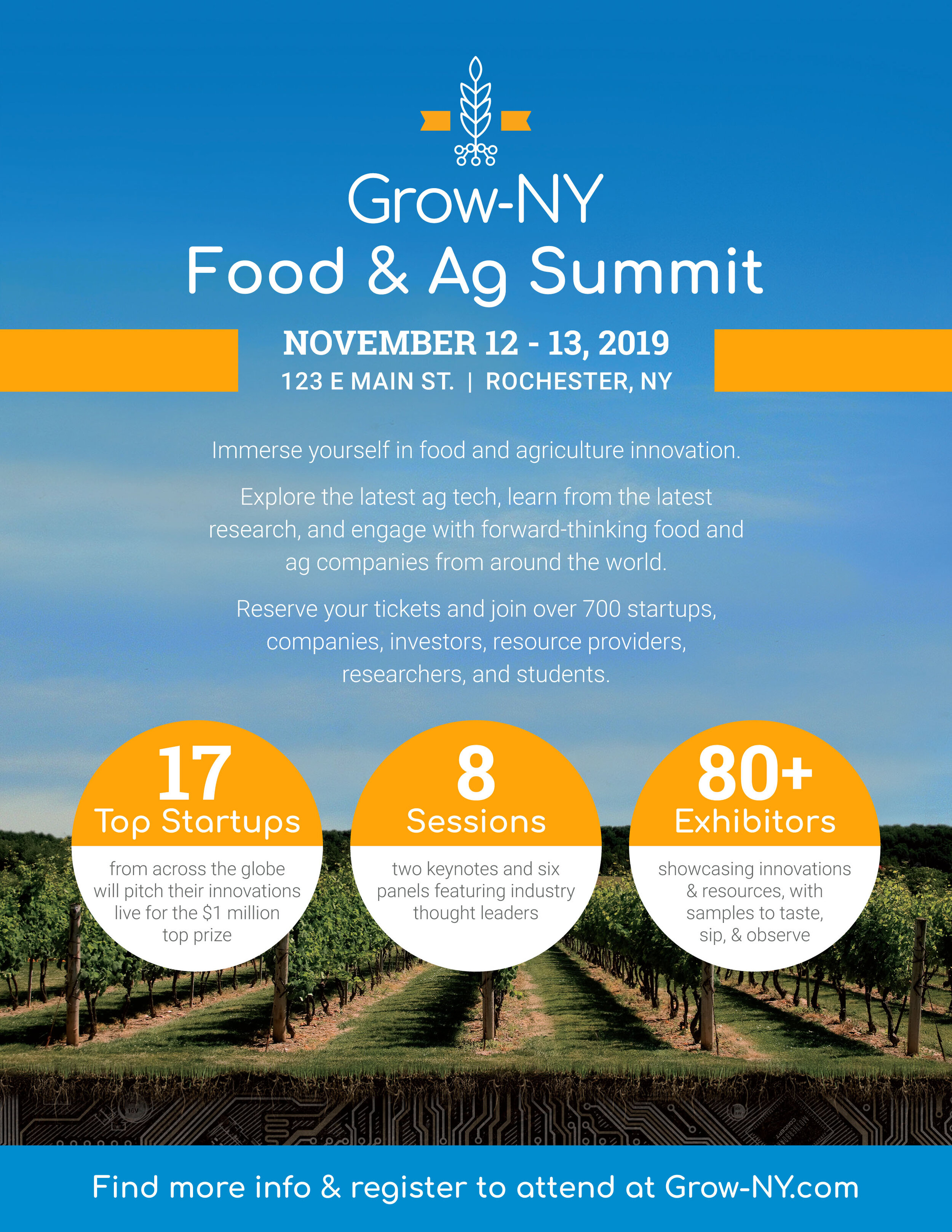
Empire State Development and Cornell University’s Center for Regional Economic Advancement have announced the inaugural 18 finalists for Grow-NY, a food innovation and agriculture technology business challenge focused on enhancing the emerging food, beverage, and agriculture innovation cluster in Central New York, the Finger Lakes, and the Southern Tier.

“The Grow-NY competition has attracted a group of diverse, innovative entrepreneurs who are ready to focus on finding new ways to further transform New York State’s world-renowned food and agricultural industry,” Governor Cuomo said. “Through efforts like Grow-NY, we are continuing to bolster these regional economies and foster statewide growth in this critical industry.”


In all, 199 applicants hailed from North America, Europe, Central America, Africa, the Middle East, and New Zealand, as well as hundreds of inquiries from food and agriculture startups. In the U.S., 23 states were represented, including 112 entries from New York. Females comprised 32 percent of applicants, and among those who indicated an ethnicity, 46 percent were non-white.


The finalists represent the top 10 percent of submissions, as determined by a panel of 30 independent judges comprising the spectrum of food, beverage, and agriculture businesses and academics. Grow-NY will award a total of $3 million in prize money to seven winners. This includes a $1 million top prize, two $500,000 prizes, and four $250,000 prizes.


The 18 finalists are:

  • AgVoice, Norcross, Ga. — Enables food and ag workers to use management tools on-the-go

  • Capro-X, Ithaca, N.Y. — Upcycles dairy waste into valuable biofuels and bioplastics

  • Combplex, Ithaca, N.Y. — Eliminates pests that threaten the health of honeybee hives

  • Dropcopter, Syracuse, N.Y. — Leverages drones to pollinate crops and increase crop yield

  • Halomine, Ithaca, N.Y. — Creates antimicrobial solutions to ensure food safety

  • Independent Barley & Malt, Litchfield, Mich. — Growing new supply chains to provide world-class malt for the craft food and beverage market

  • Livestock Water Recycling, Alberta, Canada — Modernizes manure management to improve yield and sustainability.

  • Nuravine, New York, N.Y. — Maximizes indoor and greenhouse crop yield via water nutrient solutions

  • Paragon Pure, Princeton, N.J. — Creates flavors, colors and nutrients protected within whole grain rice flour

  • Perfect Granola, Victor, N.Y. — Crafts locally-sourced granola for NY schools while giving back

  • Radical Plastics, Beverly, Mass. —Developed a patented catalyst technology that renders conventional plastics biodegradable

  • RealEats America, Geneva, N.Y. — Delivers fresh, healthy meals, while minimizing food waste

  • Re-Nuble, Rochester, N.Y. — Transforms food waste into organic nutrients as a sustainable alternative to mineral salts

  • Simply Good Jars, Philadelphia, Pa. — Expands access to fresh and healthy foods via high-tech vending machines

  • Slate Chocolate Milk, Boston, Mass. — Crafts better chocolate milk in cans, for adults

  • Tiliter, Munich, Germany — Identifies products at supermarket checkouts with AI—no bar code needed

  • Varcode USA, Naperville, Ill. —Monitors temperature changes of products using high-tech barcodes

  • Whole Healthy Food (Healthy Baby), Ithaca, N.Y. — Develops new food ingredients with therapeutic benefits


The finalists will pitch their ideas and business plans at the Grow-NY Food and Ag Summit on Nov. 12 and 13 at the Rochester Riverside Convention Center. Tickets, sponsor, exhibition and volunteer information is available at https://growny.splashthat.com.


All finalists will receive:

  • Dedicated mentorship from a hand-selected business advisor;

  • Additional pitch training to hone their live pitches for the judges;

  • An expenses-paid, three-day business development trip to the Grow-NY region for up to two finalists per team; and

  • Networking introductions, business tours with potential partners, and valuable appointments for finalist team representatives.


Judges will base award decisions on the following five criteria:

  • Viability of Commercialization and Business Model – the potential for the entrant to generate revenue and maintain a cost structure that allows for a competitive and sustainable business, demonstrate technological readiness, or innovate to fulfill its value proposition;

  • Customer Value – the degree to which the entrant is providing something for which customers are willing to pay, and addressing a substantial market;

  • Food and Agriculture Innovation – the extent to which the entrant is pushing what’s considered state-of-the-art in the food and agriculture industries, and contributing to Upstate NY’s status as a global leader in innovation in these markets;

  • Regional Job Creation – the potential for creating high-quality jobs in the Grow-NY footprint; and

  • Team – the quality and completeness of the team and its readiness to deliver.


Empire State Development is providing funding for the Grow-NY competition through its Upstate Revitalization Initiative, and Cornell University’s Center for Regional Economic Advancement is administering the competition. The winner will be required to make a positive economic impact in the Grow-NY region, which features counties within Central NY, the Finger Lakes, and the Southern Tier of New York State. The winning business will help contribute to job growth, connect with local industry partners and contribute to a thriving economy.


To learn more about the finalists, mentors and judges, and to see full schedule of Grow-NY events, please visit grow-ny.com.